

Trust & Power series by Move92
Philanthropy Talks About Trust. But How Do We Know It Is There?
By Daizy Tuzo, Third Sector Builders
Article 01 · 7 minute read
Begin reading
Trust is easy to talk about in philanthropy. What’s harder is knowing when it is actually there.
Flexible grants, lighter reporting, and greater room for local decision-making suggest that philanthropy is changing. These shifts can give organizations more freedom to respond to the realities of their work. But they do not necessarily change the power dynamics within the funding relationship, and that matters for how trust is experienced in practice. A funder may loosen the terms of a grant and still shape what can be challenged and what may be safer left unsaid.
As a Kenyan who has spent over 15 years working in development, I've seen firsthand how a relationship can look flexible on paper and still feel very different from the inside. I first came across Move92 in 2022, during my tenure at Planned Parenthood Global, where I led global youth work, and was struck by the organization’s approach to philanthropy. Soon after, I got to see the way they worked firsthand when Move92 secured some unrestricted funding to support some of our youth programming in Burkina Faso. A few years later, I find myself writing this series with them, a full circle moment that brings me back to a question at the heart of this work: what does trust actually look like in a funding relationship?
So the question is not only whether grantmaking practices have changed, but whether the relationships around the funding have changed with them. What if philanthropy paid closer attention to what those relationships actually allow? Perhaps that is where the more interesting question about trust begins.
I first came across Move92 in 2022, during my tenure at Planned Parenthood Global, where I led global youth work, and was struck by the way the organization approached philanthropy. Soon after, I got to see some of their approach at work when Move92 backed some of our youth work in Burkina Faso. A few years later, I find myself writing this series with them, a full circle moment that brings me back to a question at the heart of this work: what does trust actually look like in a funding relationship?
For Move92, this question sits close to its work of connecting philanthropists with locally led organizations around the world and helping funders get their resources to leaders rooted in the communities they serve. At the heart of that work is a belief that local leaders understand their contexts best and should have real room to decide what their work needs. Move92’s role is not only to help move resources but also to support the relationships around them and learn, through that work, what trust requires in practice.
Ruby Kholifa of AMAN Indonesia, an organization in the Move92 network, puts it simply: “We cannot really know each other until we start working together.” Trust, in her experience, is not something stated at the beginning of a funding relationship. It is built and tested as the relationship unfolds. When funding becomes overly rigid, Ruby notes, organizations can end up working “like robots,” tied to fixed logframes rather than responding to what is happening on the ground. Flexibility matters because it gives local leaders room to respond as circumstances change.
But room to respond is not necessarily the same as room to influence. Flexibility can create space for trust, but power still shapes whose judgment carries weight when decisions are made. Michou Tchana-Hyman, Move92's Associate Director, believes relationships are shaped by more than projects and deliverables: “When you know someone cares about you, it’s easy to trust them. It’s crucial in this work to build strong relationships with the people behind the projects, not a lot of people prioritize that in this industry.”



Strong relationships matter. But they do not erase the power that comes with holding the resources. An even harder question is what happens to local expertise once it enters a relationship defined by unequal power: does it simply inform the conversation, or does it shape the decisions that follow? A partner who is still anticipating donor expectations and deciding what feels safe to say is still dancing around precarious power dynamics, regardless of what the grant terms say about flexibility.
Geneva Pritchard, Move92's Executive Director, puts the test plainly: can a partner tell a donor something they do not want to hear? Money often shapes what feels safe to say, which makes trust most visible when a partner can question an approach, name uncertainty, or say circumstances have changed without fearing that the relationship, or the funding, has become less secure.
Maybe the clearest test of trust lies both in what happens when things do not go according to plan and in what the funding relationship makes possible.
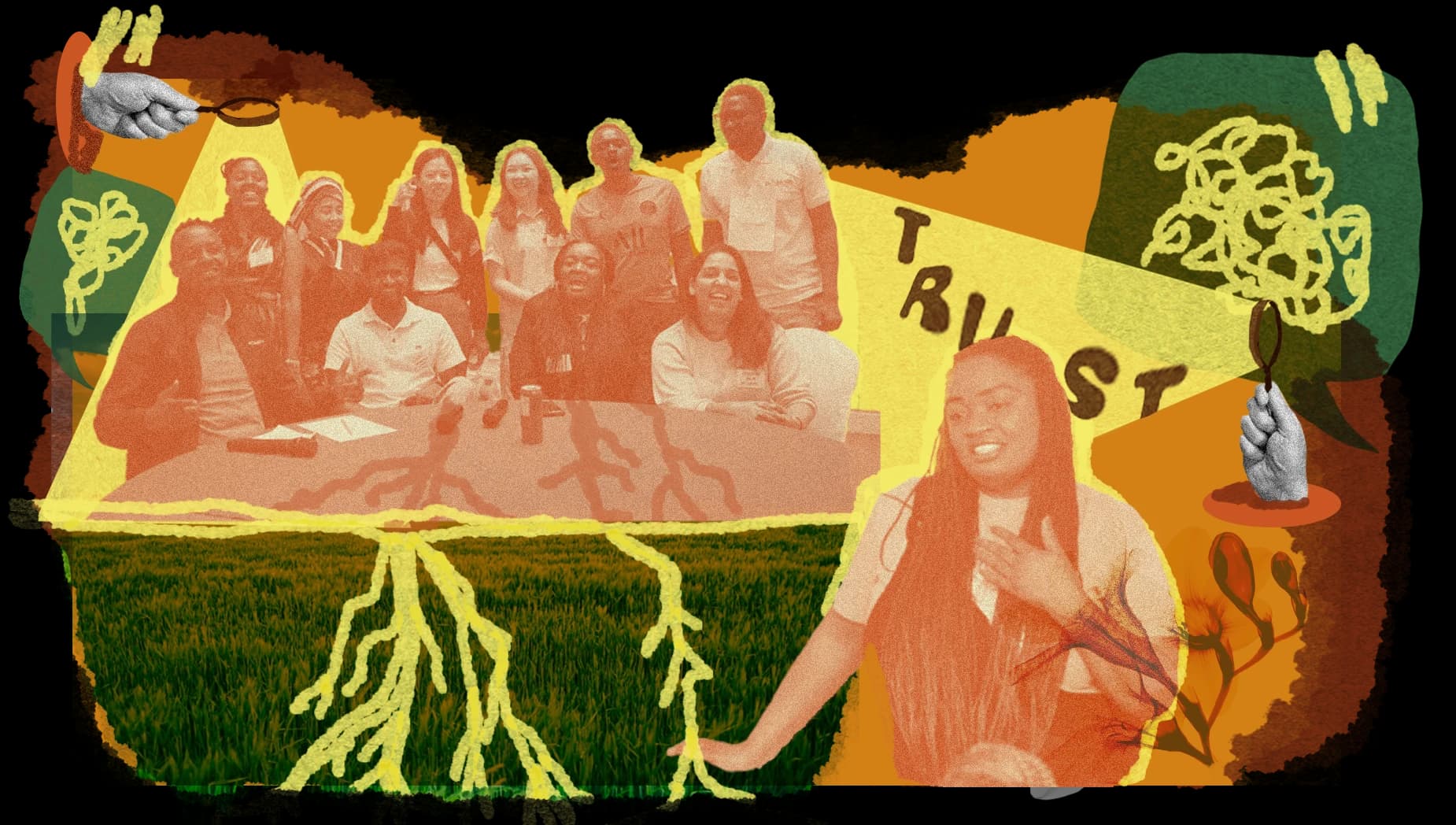
In November 2025, Move92 organized an event that offered another view of what trust can make possible. Instead of following the familiar donor pattern of traveling out to visit partners one by one, Move92 reversed it by bringing 35 leaders from 11 countries together in one place. The intention was not only to convene but also to create space for relationships to deepen beyond individual funding arrangements. Partners co-created the agenda and facilitated where they could, sharing responsibility for what the space became rather than simply participating in something designed for them. Participants spoke about the relief of being able to relax, connect, and be supported rather than feeling like they had to perform for the donor.
Out of that space, new relationships and collaborations began to form. Leaders from Sri Lanka and Guatemala found common ground around women’s leadership and healing, while young leaders working in Kenya and Myanmar saw parallels in their work. Ideas moved, experiences were compared, and knowledge travelled across contexts. Some of those connections later developed into five collaborative projects linking organizations across Sri Lanka, Guatemala, Indonesia, and Kenya.
The gathering also pointed to a wider possibility for Move92. Beyond individual funding relationships, it can create spaces where local leaders, donors, and others connect, learn, and build relationships together. It is a different way of thinking about funding, less as a transaction and more as a relationship that asks people to stay engaged, learn from one another, and remain open to where that learning might lead. The value, then, lies not only in the grant itself but also in the relationships, ideas, and opportunities that can grow around it.
Still, none of this offers a neat formula for trust. I come to these questions having worked on different sides of funding relationships, which makes the power beneath even collaborative relationships hard to ignore. Resource holders shape the room. Those seeking or receiving funding learn what lands well, what raises concern, and what may be safer left unsaid.
Move92 is still learning from this. Some partners have said that too much openness can feel overwhelming and that clearer guidance can be useful. That feedback complicates the assumption that greater flexibility always means greater trust. The more useful question may be which structures help partners do their best work and which quietly limit them? And when partners challenge an assumption, does anything change because they did?
Perhaps that is another way to think about trust. Not as the absence of structure or disagreement, but as whether people’s knowledge carries weight, whether their perspective can shape what happens next, and whether disagreement can be expressed without making the relationship feel precarious.
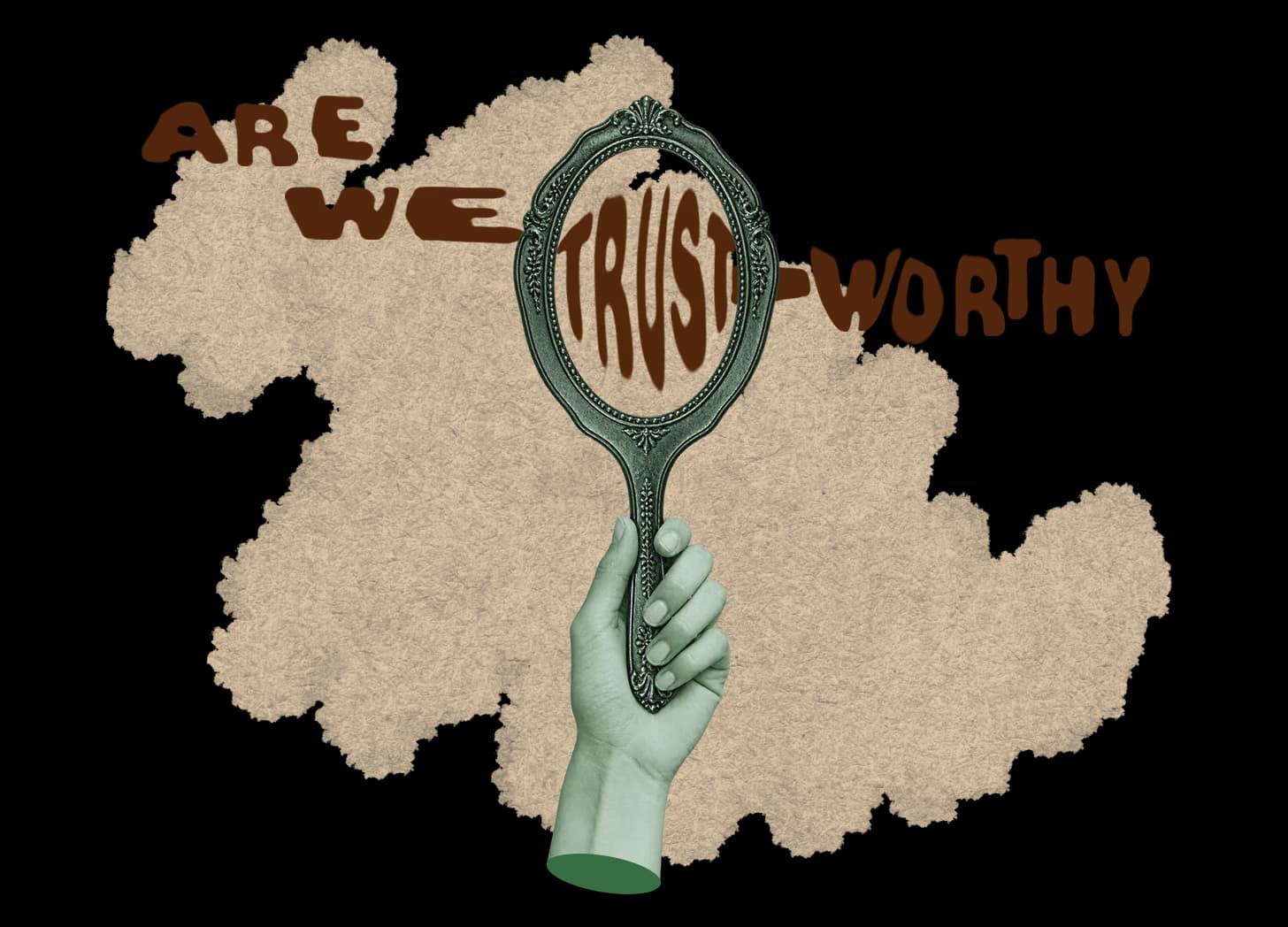
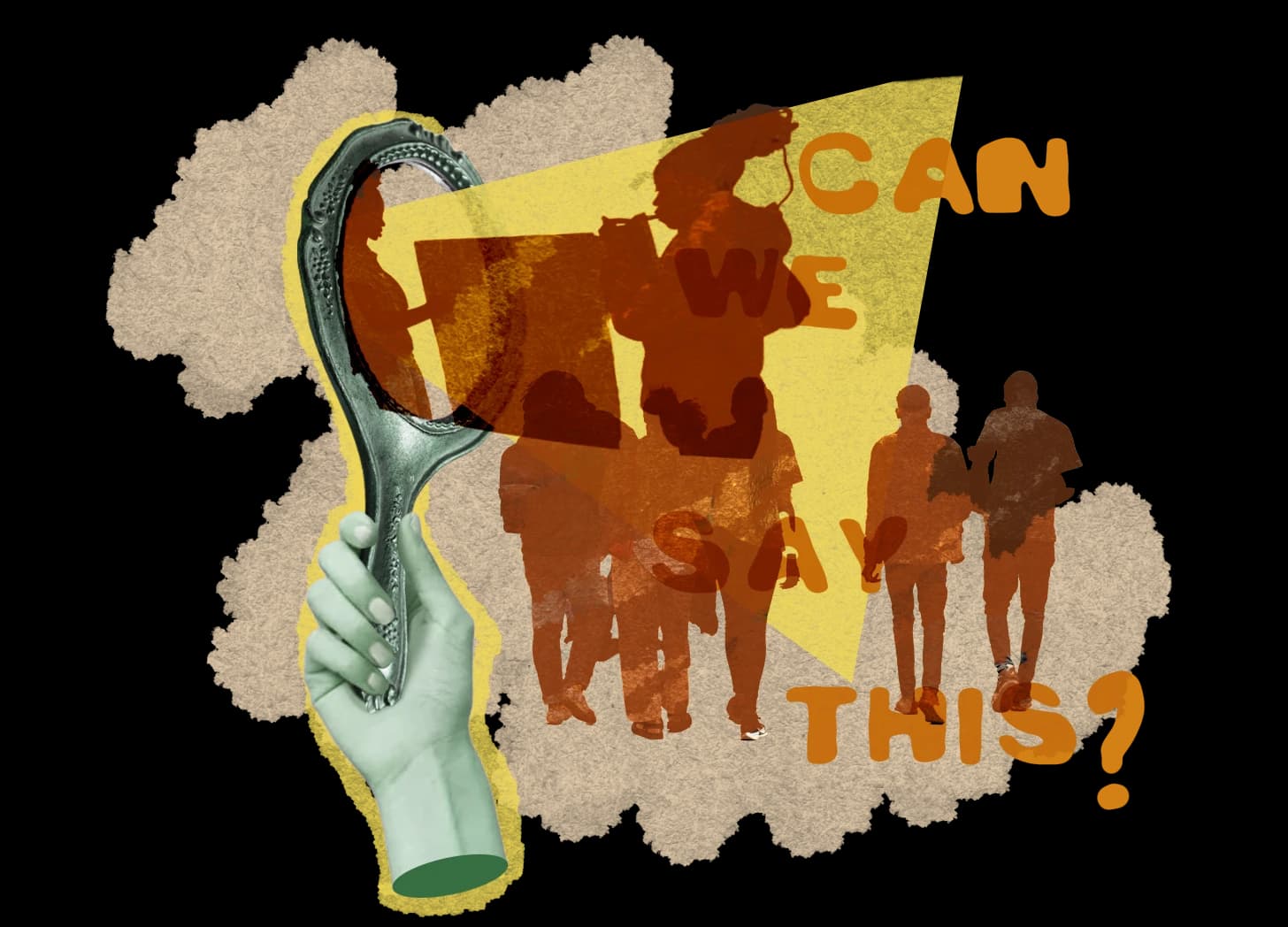
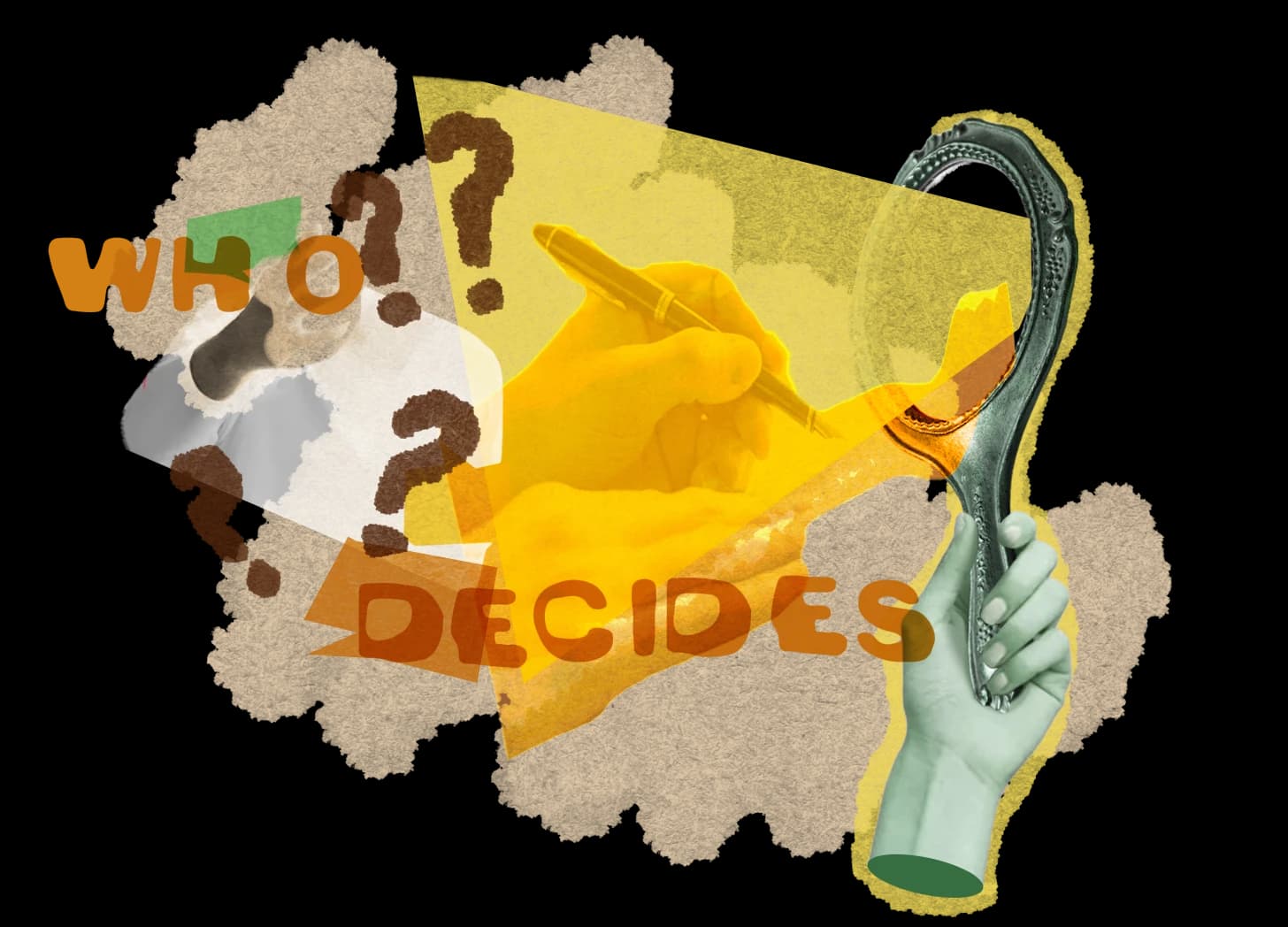
Philanthropy has sophisticated ways of assessing whether organizations receiving funding can be trusted. There is less practice in turning the question around. What would it mean for funders and intermediaries to ask whether they are experienced as trustworthy too? A funder cannot answer that from intention alone. Even asking directly may not tell the whole story when one party still controls the resources. Some of the evidence may sit in behavior. Do organizations bring difficult things into the conversation early? Can they push back? Can a funder point to a decision, practice, or assumption that changed because a local leader challenged it?
These questions do not give us a neat score for trust. They turn attention toward something more revealing: what the relationship can actually hold and who gets to influence what happens within it. They also surface a harder question: what might funders and intermediaries be doing, often unintentionally, that jeopardizes the trust they say they want to build?
Some of the answers may sit in formal requirements. Some may sit in smaller moments: how disagreement is received, whether feedback changes anything, whose expertise carries weight when perspectives differ, or whether autonomy disappears when something becomes uncomfortable.
If trust became part of how philanthropy measured itself, funders would no longer ask only, “Did we trust them?” They would also have to ask, “Did they experience us as trustworthy?”
And perhaps the most revealing question of all is this:
“What became possible because of it?”